


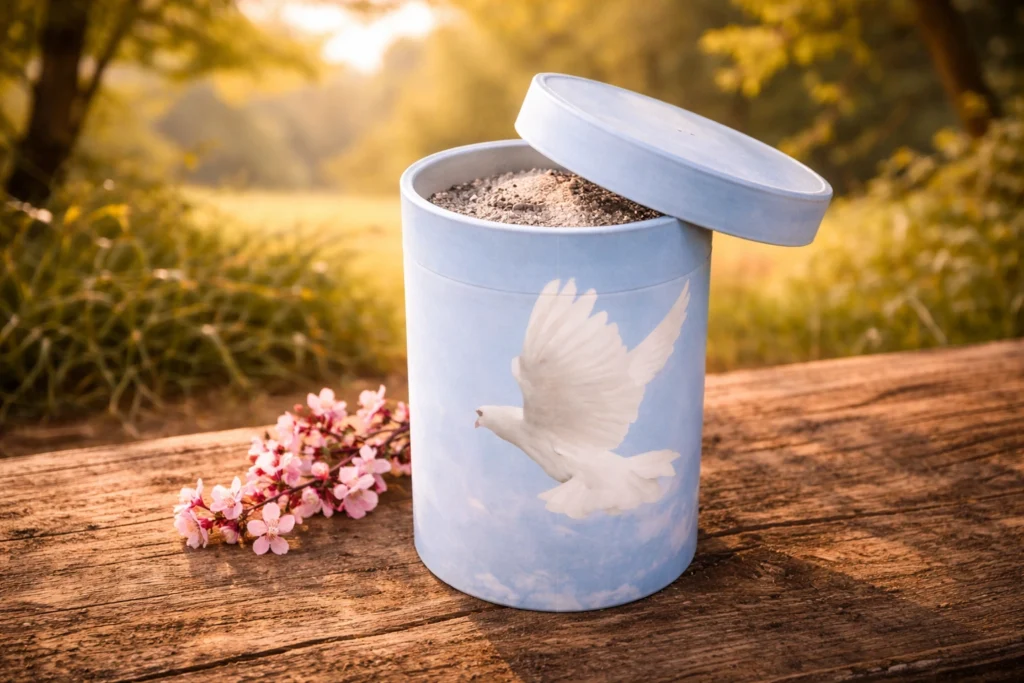
Many families ask what are cremains when planning a cremation or memorial service. Cremains refer to the ashes and bone fragments that remain after a body has been cremated. Understanding how cremains are formed, what they contain, and how they can be handled respectfully helps families make informed decisions during a sensitive time.
This guide explains the cremation process, common misconceptions, handling options, and environmentally responsible choices available in the United States.
What Are Cremains Made Of?
To fully understand what are cremains, it’s important to know what happens during cremation.
During cremation:
-
The body is placed in a cremation chamber
-
Temperatures reach 1,400–1,800°F
-
Soft tissues are reduced through heat
-
Remaining bone fragments are processed into a fine, sand-like consistency
Cremains are primarily composed of:
-
Calcium phosphates
-
Bone mineral fragments
-
Trace minerals
Contrary to common belief, cremains are not traditional “ashes” like burned wood. They are processed bone remains that have been refined into a uniform texture.
How Much Do Cremains Weigh?
The average weight of cremains for an adult in the U.S. ranges between:
-
4 to 8 pounds
Weight depends on:
-
Bone density
-
Body size
-
Gender
-
Age
Infants and smaller individuals naturally produce smaller quantities.
The Cremation Process Step by Step
Understanding the process can provide clarity and comfort.
-
Identification and documentation
-
Placement in cremation container
-
Cremation chamber process
-
Cooling period
-
Removal of metal fragments (if any)
-
Processing into fine cremains
-
Placement into urn or container
Midway through planning services, families often revisit the question of what are cremains to better understand how they should be handled or memorialized.
What Can Be Done with Cremains?
Families have several respectful options in the United States:
1. Keep in an Urn
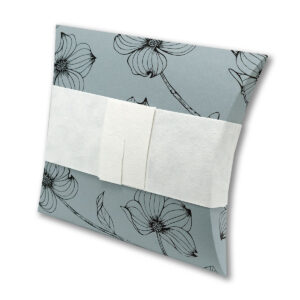
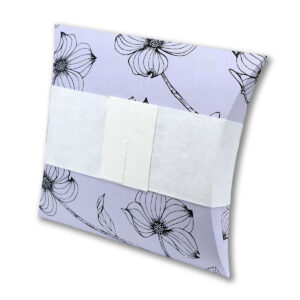
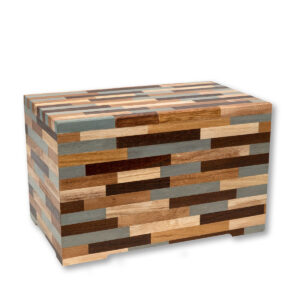
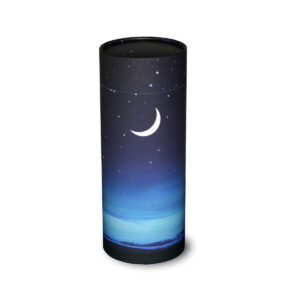
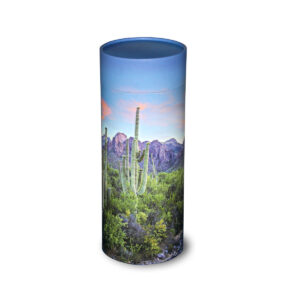
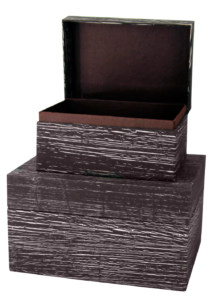
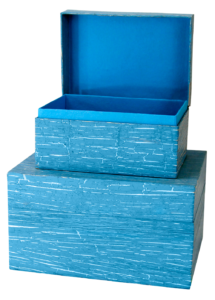
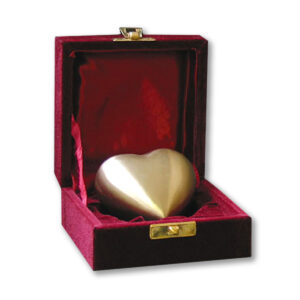
Cremains may be stored in decorative, biodegradable, or traditional urns at home.
2. Scatter in a Meaningful Location
Ash scattering is legal in many areas with certain regulations. Families often choose:
-
Private property (with permission)
-
Ocean scattering (3 nautical miles offshore)
-
National parks (with permits)
-
Gardens or memorial grounds
3. Burial or Interment
Cremains can be buried in:
-
Traditional cemeteries
-
Green cemeteries
-
Biodegradable urns
-
Family plots
4. Tree or Living Memorial
Biodegradable urns designed for tree planting allow cremains to nourish new life.
Environmental Considerations
Cremation does produce emissions due to high temperatures and fuel usage. For families concerned about environmental impact, options include:
-
Biodegradable urns
-
Water-soluble urns
-
Green cemetery interment
-
Tree memorial systems
While cremation is often seen as simpler than traditional burial, pairing cremation with eco-conscious memorial products helps reduce environmental footprint.
Common Myths About Cremains
Myth 1: Cremains are soft ash like fireplace residue
Fact: They are processed bone fragments.
Myth 2: Ashes are harmful to soil
Fact: Cremains are generally sterile but may affect soil pH in large quantities.
Myth 3: Cremains must be kept in a metal urn
Fact: Many biodegradable and sustainable options are available.
Cultural and Religious Perspectives
Different faith traditions have varying views:
-
Some Christian denominations allow cremation
-
Hindu tradition commonly includes river immersion
-
Jewish tradition typically prefers burial
-
Secular families often choose scattering or memorialization
Understanding religious guidelines can help families align decisions with spiritual beliefs.
Final Thoughts on What Are Cremains
Understanding what are cremains helps families approach cremation with clarity and confidence. Cremains are processed bone remains that can be respectfully stored, scattered, or interred in meaningful ways. Whether choosing a biodegradable urn, a tree memorial, or a green burial option, families have compassionate choices available. For environmentally responsible cremation memorial products across the United States, GreenBurials.com offers sustainable urns and eco-friendly solutions designed to honor loved ones with dignity and care. At Green Burials, we are committed to supporting families with thoughtful and sustainable memorial options.